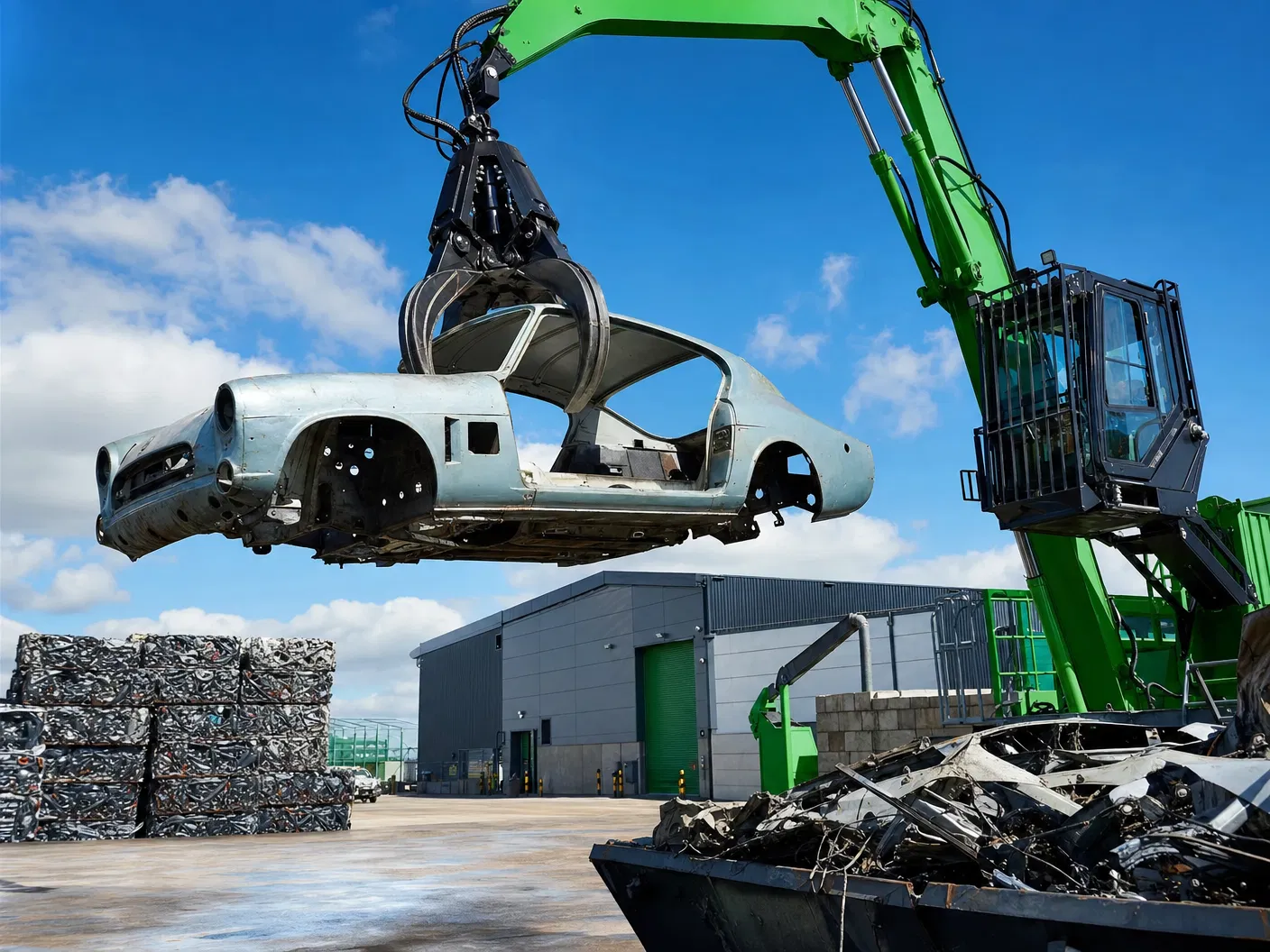
What Happens to a Scrap Car at an Authorised Treatment Facility?
Understand why responsible end-of-life vehicle processing matters, from depollution and component recovery to certificates of destruction.
A scrap car is more than a pile of metal. Before its materials can be recovered, an end-of-life vehicle needs to be handled through a controlled process that considers fluids, batteries, components and the documentation attached to the vehicle.
Why authorised treatment matters
End-of-life vehicles are regulated to reduce disposal impacts and encourage recovery, reuse and recycling of materials such as metals, plastics and rubber. In England and Wales, they are treated as hazardous waste until they have been depolluted.
Authorised Treatment Facilities operate under environmental controls. The official guidance describes requirements around vehicle storage and treatment, removal of hazardous liquids and components, and the reuse, recycling or disposal of parts.
The depollution stage
Depollution means making a vehicle safer to process by dealing with materials and components that need controlled handling. Depending on the vehicle and the treatment route, that can include fluids, batteries and other parts that should not simply enter general scrap processing.
This is one reason vehicle recycling should be approached differently from an ordinary household collection. The correct handling route protects people, equipment and the environment while creating a clearer path for recoverable materials.
- Hazardous liquids and components require controlled handling.
- Usable components may be considered for reuse where appropriate.
- Vehicle metals, plastics and rubber can enter recovery and recycling streams.
- The vehicle’s documentation should remain part of the process.
Recovery, reuse and recycling
Modern vehicles contain a mixture of ferrous and non-ferrous metals alongside plastics, rubber and electronic components. The end-of-life vehicle regulations are designed to encourage recovery and recycling rather than unmanaged disposal.
For vehicle owners, the most practical takeaway is simple: ask clear questions about the collection and disposal route, provide a truthful vehicle description, and keep the paperwork process visible from the first estimate to final handover.
Certificate of Destruction and vehicle status
The official guidance explains that ATFs issue Certificates of Destruction to confirm individual end-of-life vehicles have been processed in line with the regulations. At that point the vehicle is deregistered by DVLA.
The exact documents and timings can depend on the vehicle and its circumstances, so it is sensible to discuss paperwork with the team arranging the collection.
Get an indicative scrap-car estimate.
Tell us about the vehicle, its condition and the collection postcode. The online result is a guide; the team confirms the final arrangements.
Get an estimated quote